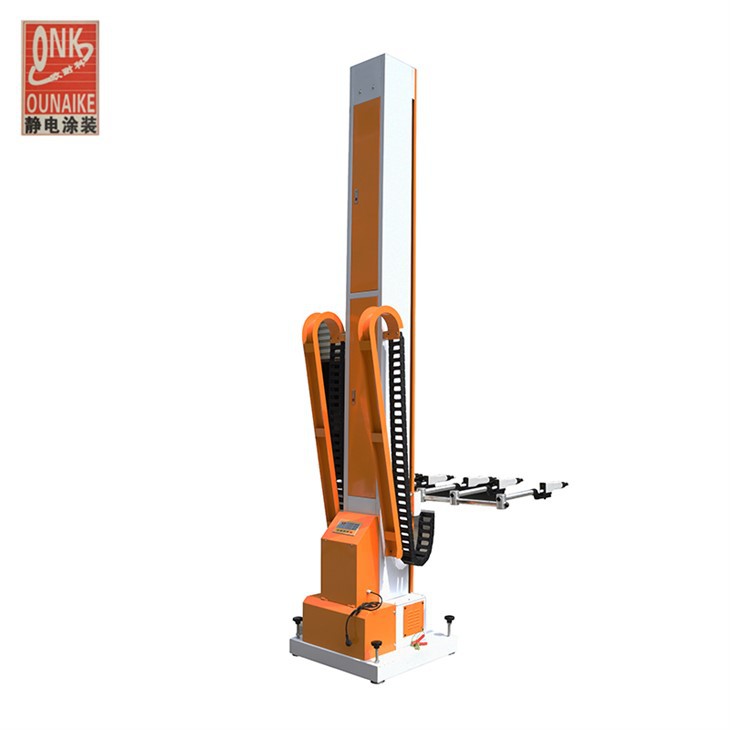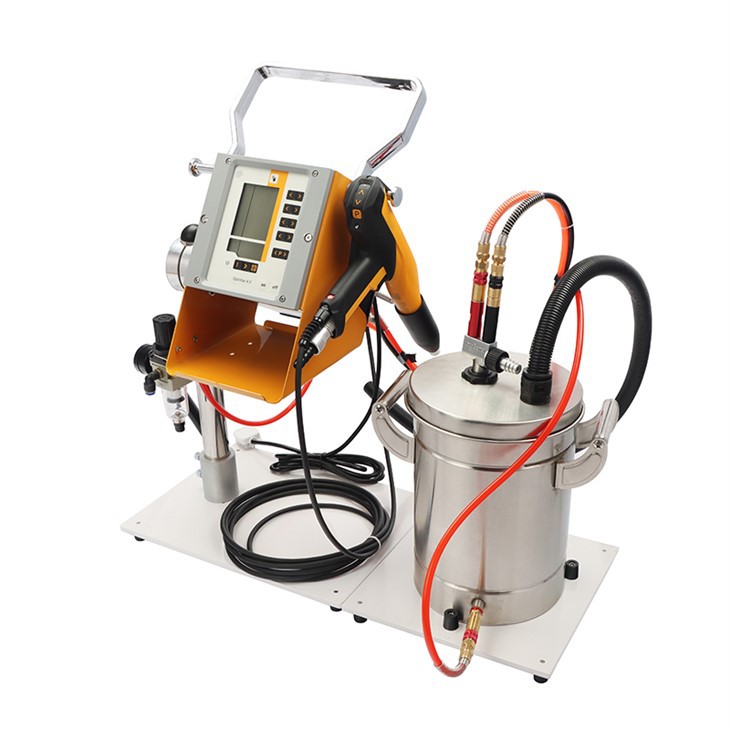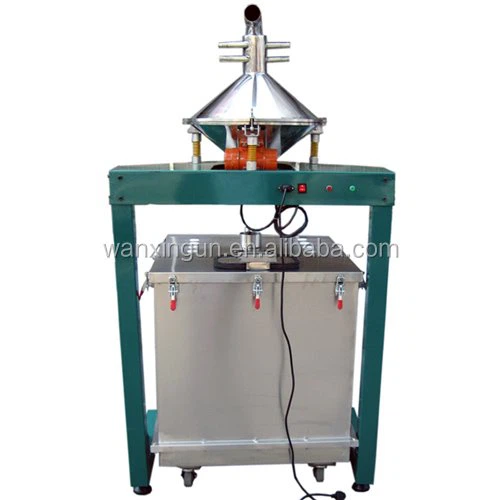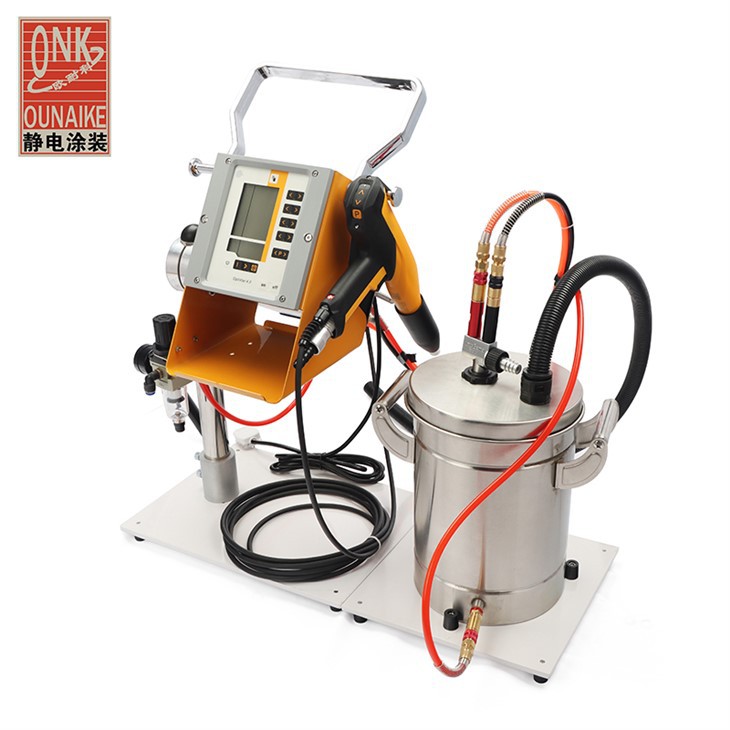
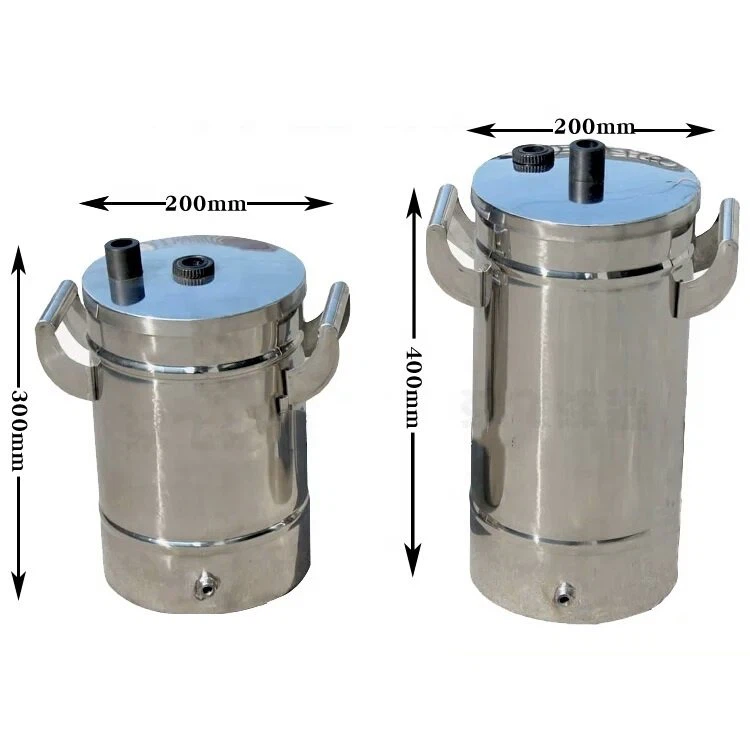
High-quality wholesale accessory powder coating hopper, ideal for enhancing durability and aesthetics in manufacturing applications.


Product Main Parameters
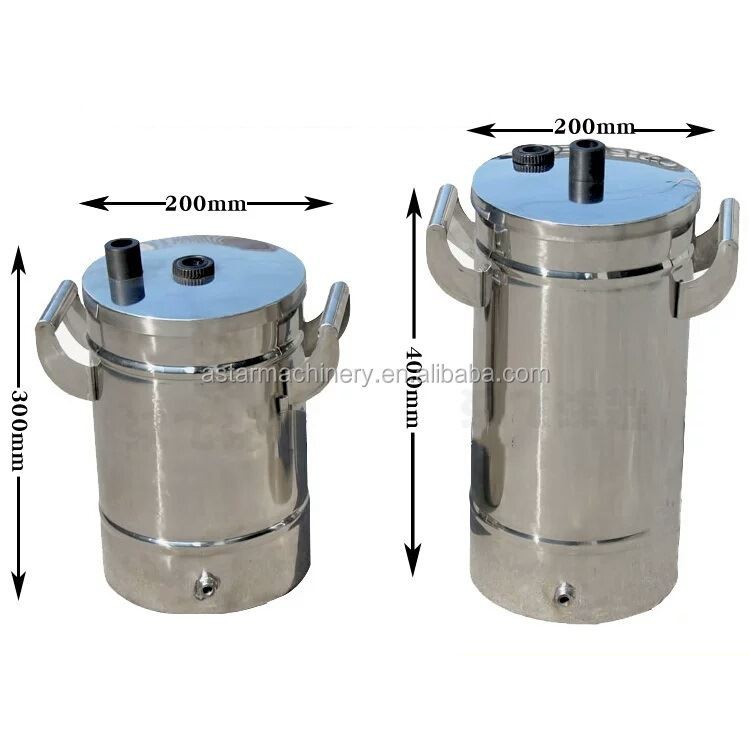
| Dimension (L*W*H) | 200*400/200*300 |
| Material | Stainless Steel |
| Weight | 2KG |
Common Product Specifications
| Warranty | Unavailable |
| Condition | New |
| Origin | Hebei, China |
Product Manufacturing Process
According to authoritative sources, the manufacturing process of accessory powder coating involves cleaning and pre-treating the item, applying an electrostatically charged powder, and then curing it in an oven. This process results in a tough finish that's resistant to chipping and scratching. Studies emphasize that electrostatic application provides even coverage, crucial for durability. The curing stage ensures the powder melts uniformly, forming a continuous, durable surface.
Product Application Scenarios
Accessory powder coating is widely used in automotive parts, consumer electronics, and furniture manufacturing. An analysis of industry practices highlights its application in producing weather-resistant automotive components, durable finishes for electronic devices, and rust-proof coatings for metal furniture. This versatility makes it advantageous for manufacturers aiming for durability and aesthetic appeal in their products.
Product After-Sales Service
One-year warranty service available, with technology consultation and after-market service. Contact us for specific inquiries.
Product Transportation
Packaged in paper boxes, meeting customer requirements. Shipping via express delivery for swift order fulfillment.
Product Advantages
- Durability: Resistant to scratches, chips, and fading.
- Environmentally Friendly: Minimal VOC emissions.
- Variety: Offers numerous colors and finishes.
- Efficiency: Quick process reduces production time and waste.
- Cost-effective: Long-lasting results save money over time.
Product FAQ
- What materials can be powder coated? The accessory powder coating process is mainly for metals but can also be applied to some plastics and MDF, broadening its use in manufacturing.
- Is powder coating environmentally friendly? Yes, it releases negligible VOCs compared to traditional painting, making it an eco-friendly option for wholesale accessory powder coating.
- How durable is powder coating? Powder-coated surfaces are highly durable, offering great resistance to chipping, scratching, and fading, which is ideal for products exposed to wear and tear.
- What is the typical lead time for orders? Lead times depend on order size and customization requirements. Contact us directly for accurate scheduling of your wholesale accessory powder coating needs.
- Can you match any color with powder coating? Many colors and finishes are available, and custom color matching is possible for larger orders.
- How is powder coating applied? It is applied using an electrostatic spray gun that evenly distributes powder onto the surface, ensuring uniform coating thickness.
- What industries commonly use powder coating? Powder coating is used across various industries, including automotive, electronics, furniture, and more.
- Does powder coating protect against rust? Yes, it creates a barrier that helps protect metal surfaces against rust and corrosion.
- Is powder coating cost-effective? While the initial cost might be higher than traditional painting, its durability means fewer touch-ups and replacements, saving costs over time.
- Does powder coating add to product weight? The added weight from powder coating is minimal, typically not significant enough to affect the product's usability.
Product Hot Topics
- Why Choose Powder Coating for Accessories? Choosing wholesale accessory powder coating for products ensures lasting durability and appealing aesthetics. Powder coating forms a hard, tough layer that stands up to harsh environments, reducing maintenance costs. Manufacturers utilizing this technique can explore diverse design possibilities, thanks to a broad range of colors and finishes. Additionally, as a VOC-free process, it aligns with eco-friendly manufacturing practices.
- How Does Powder Coating Benefit Manufacturing Efficiency? Wholesale accessory powder coating enhances manufacturing efficiency through its lean application process and reduced waste. The electrostatic application ensures precision, minimizing material losses. This efficiency translates into faster production cycles, enabling manufacturers to meet tight deadlines without compromising on quality. Furthermore, the ability to reclaim overspray significantly lowers material consumption in high-volume production settings.
Image Description
Hot Tags: