Buying an industrial powder coating unit can feel like dating apps for machines: endless specs, confusing profiles, and you still worry you’ll pick the one that ghosts your production line.
This guide simplifies choices, compares key features, and follows proven industry standards backed by EPA powder coating guidance so you can choose confidently.
✅ Key Factors When Selecting an Industrial Powder Coating Unit
Choosing the right industrial powder coating unit affects finish quality, line efficiency, and operating costs. Focus on part size, coating type, and automation level before you invest.
Match equipment features with your daily production volume, color change frequency, and operator skills. Clear goals help you avoid overspending and keep quality stable.
1. Production Volume and Line Layout
Estimate peak daily throughput and part dimensions, then plan gun number, conveyor speed, and booth size to avoid bottlenecks or long idle periods.
- Measure longest, widest, and heaviest parts
- Plan load/unload ergonomics for operators
- Allow space for future expansion
2. Coating Quality and Finish Requirements
Define target film thickness, gloss, and corrosion resistance. This drives your choice of gun control, powder type, and curing oven design.
| Requirement | Focus |
|---|---|
| High corrosion resistance | Pre-treatment, uniform film |
| Decorative finish | Consistent color, low defects |
3. Automation Level and Flexibility
Decide between manual, semi-automatic, or automatic systems based on labor costs and product mix variety.
- Manual: best for short runs and custom work
- Semi-auto: balances cost and consistency
- Automatic: ideal for high, stable volume
4. Budget, Operating Cost, and ROI
Look beyond purchase price to energy use, powder recovery, and maintenance. Calculate payback using annual labor and material savings.
- Check warranty and service availability
- Compare spare-part pricing
- Plan 3–5 year total cost of ownership
⚙️ Understanding Powder Coating Unit Components and Their Functions
An industrial powder coating unit includes feeding, charging, application, recovery, and curing systems. Each component must work together to produce a clean, durable finish.
Knowing how these elements interact helps you specify the right configuration and quickly solve coating defects or downtime issues.
1. Powder Feed and Delivery System
The feed unit fluidizes powder and delivers it steadily to the spray gun. Stable flow prevents surges, orange peel, and waste.
The Feed Box Powder Coating Equipment With Trolley supports fast color changes and easy movement around complex lines.
2. Electrostatic Spray Gun and Controls
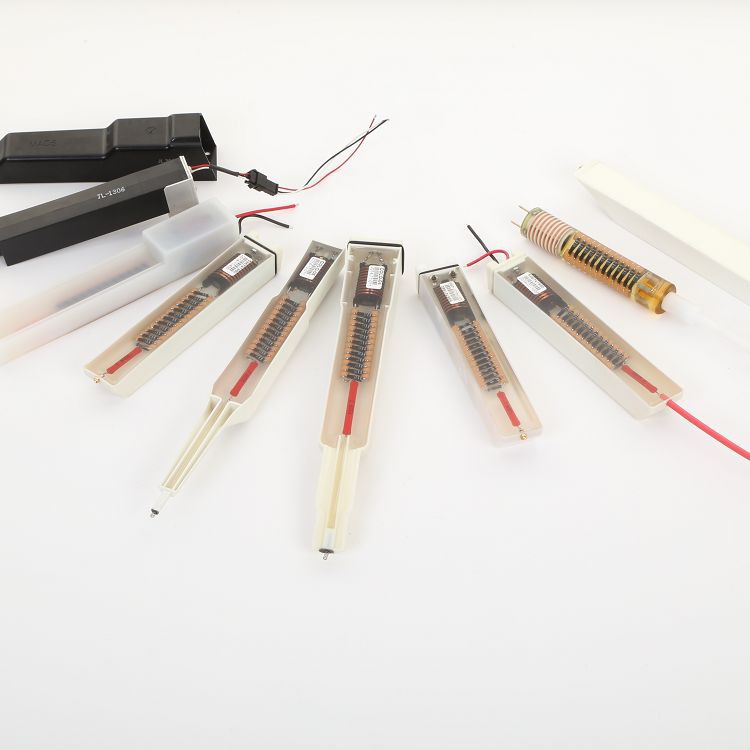
The spray gun charges powder and shapes the spray pattern. Precise kV and current control improve transfer efficiency and corner coverage.
- Adjust kV for complex shapes
- Use preset programs for repeat jobs
- Monitor current to avoid back-ionization
3. Recovery, Filtration, and Reuse
Recovery systems capture overspray, filter the air, and return usable powder. Good design reduces waste and keeps the booth clean.
| Component | Main Benefit |
|---|---|
| Cyclone | Rough separation of powder |
| Cartridge filter | Fine filtration, clean air |
4. Oven and Curing Performance (with Data View)
The curing oven melts and crosslinks the powder. Stable temperature avoids under-cure, over-bake, or gloss loss.
🌡️ Matching Coating Unit Specifications to Your Production Requirements
Align booth size, gun count, and oven capacity with your part mix and working hours to maintain stable quality and throughput.
Right-sizing avoids both expensive overcapacity and constant overload, which can hurt finish quality and employee safety.
1. Part Dimensions, Geometry, and Material
Measure real production parts and consider sharp corners, recesses, and heat-sensitive substrates before finalizing booth and oven dimensions.
- Allow extra clearance for hangers
- Check maximum metal thickness
- Plan for future larger parts
2. Color Change Frequency and Powder Types
High color change frequency needs easy-clean booths, clear powder paths, and smart hose routing to reduce downtime and contamination risk.
- Use quick-release powder hoses
- Define cleaning procedures for shifts
- Store powders in dry, climate-stable rooms
3. Line Speed, Oven Capacity, and Energy Use
Balance conveyor speed with oven dwell time and maximum loading. This keeps film thickness even and energy use under control.
| Parameter | Impact |
|---|---|
| Line speed | Throughput, film build |
| Oven length | Dwell time, cure quality |
🛡️ Safety, Environmental Compliance, and Maintenance Considerations
Well-designed powder coating units lower fire risk, protect workers, and help meet air quality and waste rules without heavy manual work.
Routine inspection and cleaning maintain stable production and extend equipment life, cutting unplanned shutdowns and repair costs.
1. Operator Safety and Fire Prevention
Use grounded equipment, correct PPE, and approved electrical parts in powder areas. Train staff to handle dust and hot surfaces safely.
- Check grounding weekly
- Use certified explosion-proof components
- Keep exits and fire gear clear
2. Ventilation, Emissions, and Compliance
Effective ventilation and filtration control dust and meet local air standards. Record filter checks and booth inspections for audits.
| Item | Typical Interval |
|---|---|
| Filter inspection | Weekly |
| Airflow check | Monthly |
3. Preventive Maintenance and Spare Parts
Plan regular cleaning and part replacement to keep performance stable. Stock key wear parts to reduce downtime.
- Nozzles and electrodes
- Filters and seals
- Sensors and control modules
🏭 Why OUNAIKE Industrial Powder Coating Units Fit Most Application Scenarios
OUNAIKE systems cover manual, semi-automatic, and automatic solutions, making them suitable for job shops, OEMs, and in-house finishing lines.
You can start small, then add guns, booths, or recovery units while keeping the same control platform and support network.
1. Flexible Solutions from Manual to Automatic
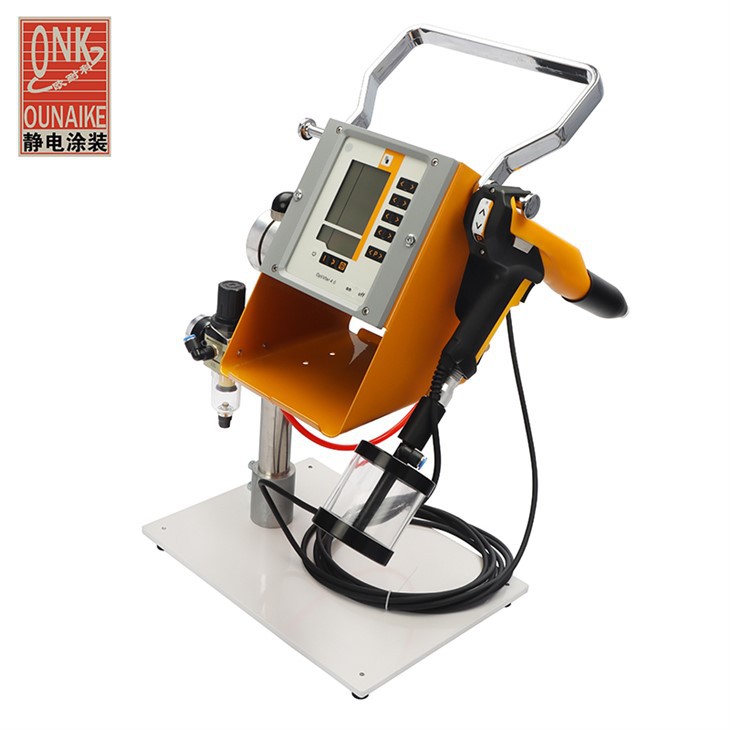
OUNAIKE offers portable and fixed units that scale with your needs. The Cheap Manual Portable Powder Coating Paint Electrostatic Spray Gun Machine/equipment suits startups and small batches.
2. Integrated Systems for Consistent Quality
Coordinated guns, feed systems, and control panels help you keep stable film build, color, and texture day after day.
Their modular Powder Coating System allows easy upgrades as production volume or quality targets grow.
3. Global Support and Optimized Running Costs
Standardized modules, clear manuals, and responsive service reduce downtime and simplify training. Efficient powder and energy use support a fast investment payback.
- Remote support options
- Training for operators and maintenance
- Help with line optimization and upgrades
Conclusion
Selecting an industrial powder coating unit starts with a clear view of parts, volumes, and finish needs. Match booth, gun, and oven specs to these targets.
By focusing on safety, efficiency, and flexibility, OUNAIKE solutions help you improve finish quality, control costs, and expand capacity with confidence.
Frequently Asked Questions about powder coating unit
1. What is an industrial powder coating unit?
An industrial powder coating unit is a complete system that applies charged powder to metal or other parts, then cures it to form a durable, protective finish.
2. How do I size a powder coating unit for my factory?
Start from maximum part dimensions, daily output, and color changes. Use these to define booth size, gun number, and oven length and capacity.
3. What maintenance does a powder coating unit need?
Regular cleaning of guns, booths, and filters, inspection of electrical grounding, and scheduled replacement of nozzles, electrodes, and seals keep performance stable.
4. Can I upgrade from manual to automatic later?
Yes. Many OUNAIKE systems are modular, so you can add extra guns, recovery units, or automatic reciprocators when volume and budget increase.
5. Are powder coating units environmentally friendly?
Yes. Powder contains no solvent, and overspray can be recovered and reused. With proper filtration, emissions stay low and easy to manage.